How to Use SEO Writer AI to Improve Shopify Store Conversion Rates in 2025
How to Use SEO Writer AI to Improve Shopify Store Conversion Rates in 2025
Here's the uncomfortable truth: most Shopify stores are bleeding potential revenue. While you're obsessing over Instagram ads and influencer partnerships, your competitors quietly convert at 4.7%—more than triple the industry average of 1.4%. The difference isn't their product selection or their ad budget. It's their content strategy, powered by AI that actually understands buyer psychology.
Your traffic numbers look impressive on paper, but if those visitors aren't buying, you're just paying for expensive window shoppers. The gap between average and exceptional Shopify stores comes down to one thing: content that matches what buyers actually search for when they're ready to purchase. In this guide, you'll discover exactly how SEO Writer AI automates the keyword research, content generation, and publishing process that turns casual browsers into committed buyers—without hiring a content team or learning SEO yourself. Ready to close that conversion gap?
Why Content Quality Directly Impacts Shopify Conversion Rates in 2025
Here's what most Shopify guides won't tell you: the gap between average and top-performing stores isn't about traffic volume—it's about content quality and visitor intent. According to Enrich Labs' 2025 Shopify benchmarks, the average Shopify store converts at just 1.4-1.8%, while top performers consistently exceed 4.7%. That's a 3.3x difference, and content quality sits at the heart of this divide.
Poor content creates invisible friction points throughout the buyer journey. When product descriptions lack specificity, checkout copy feels generic, or blog posts fail to answer real questions, shoppers hesitate—and hesitation kills conversions. Research from Contentsquare shows that unanswered questions about shipping, returns, and product specs drive 63% of cart abandonments. You're not losing customers to competitors; you're losing them to your own unclear messaging.

The SEO connection matters more than ever. Organic search traffic converts at approximately 3.6%—roughly double the Shopify baseline—because these visitors arrive with clear purchase intent. When you rank for "best waterproof hiking boots for wide feet" instead of just "hiking boots," you attract qualified buyers who are closer to purchasing. SEO Writer automates this process by identifying high-value, low-competition keywords that drive targeted traffic, then generates optimized content that answers specific buyer questions—the kind that turns browsers into customers.
Quality content doesn't just inform; it builds confidence. When your category pages clearly explain features, your blog posts solve actual problems, and your product descriptions address objections, you eliminate the friction that sends shoppers elsewhere. That's the real conversion multiplier.
Sources used:
- Enrich Labs Shopify Benchmarks 2025
- Contentsquare Shopping Cart Abandonment Research
- Red Stag Fulfillment Conversion Rate Data
The Traffic Quality Problem: Why More Visitors Don't Mean More Sales
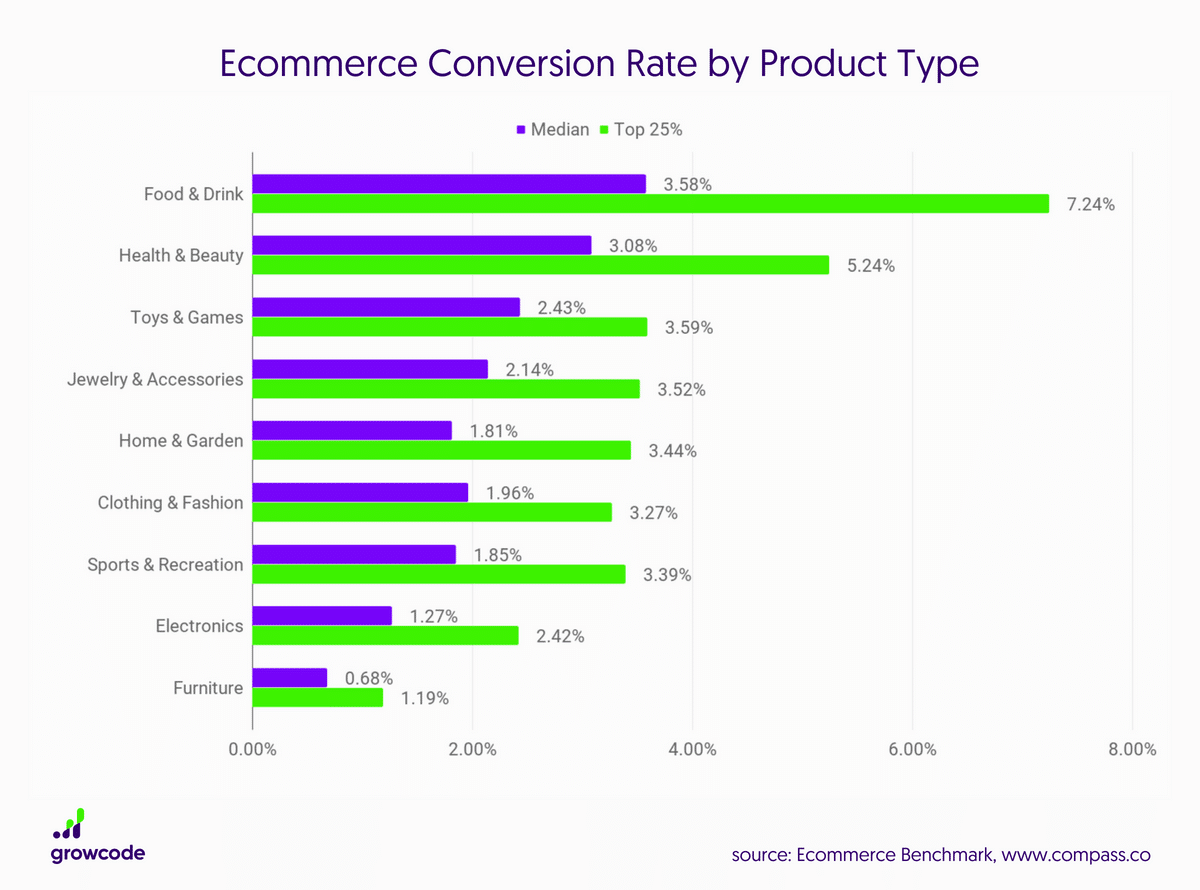
Here's what most Shopify guides won't tell you: the average Shopify store converts at just 1.4%—significantly below the 2.5-3% global ecommerce average. And throwing more traffic at that problem? It typically makes things worse, not better.
The culprit isn't your checkout process or your product images—it's who you're attracting in the first place. According to recent industry data, 52.65% of all searches are purely informational, meaning people researching without any intent to buy. If you're ranking for these informational queries with product pages, you're essentially inviting window shoppers who were never planning to purchase.
Traffic source makes this brutally clear. Referral traffic converts at 5.4%—nearly four times higher than the 1.4% Shopify average—because those visitors arrive through trusted recommendations with genuine purchase intent. Meanwhile, social media traffic limps along at 0.7% conversion. The difference? Search intent alignment.
Here's where AI-powered keyword research changes the game. SEO Writer automatically identifies high-value, low-competition keywords and—crucially—analyzes the commercial intent behind each term. Instead of chasing broad informational queries like "what is sustainable fashion," it helps you target buyer-intent phrases like "organic cotton t-shirts with free shipping."
Traditional keyword tools show you search volume and competition. Smart AI tools show you who actually buys. That distinction is worth thousands in wasted ad spend.
Sources Used:
- Average Ecommerce Conversion Rate: Industry Data for 2025 - Red Stag Fulfillment
- TOP SEARCH INTENT STATISTICS 2025 - Amra & Elma
- SEO Writer AI Platform - SEO Writer
How SEO Writer AI Optimizes Content for Higher Conversions
Here's what most conversion guides won't tell you: the path from keyword to customer isn't a straight line—it's a strategic funnel that smart AI tools now automate. SEO Writer AI tackles this by zeroing in on the keywords that actually drive sales, not just traffic.
The platform starts with deep competitor analysis—scanning what's working for rivals and identifying content gaps your store can exploit. Instead of generic "top product" keywords, it surfaces high-intent phrases like "sign up for," "get pricing," or "book now"—the exact queries from shoppers ready to click "buy." According to Writesonic's research on high-intent keywords, these transactional terms deliver the highest conversion potential because they catch users at decision-making moments.
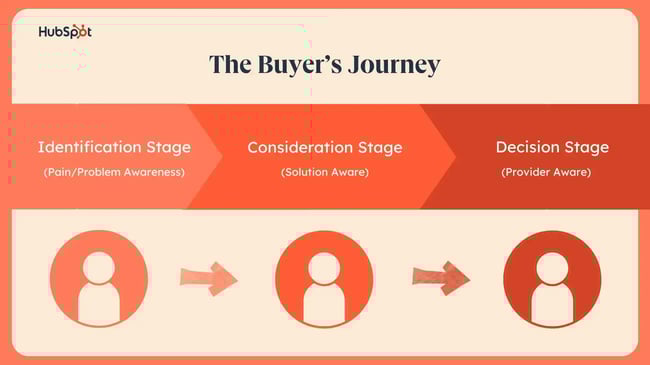
But keyword research alone doesn't close sales. SEO Writer AI generates content that addresses specific buyer questions at each funnel stage—from awareness ("What's the best type of X?") to consideration ("Brand A vs. Brand B") to decision ("Where to buy X today"). The AI automatically structures articles around these question clusters, which Backlinko's AI SEO tools review notes is critical for capturing visibility in both traditional search and AI-powered answer engines like ChatGPT and Perplexity.
The automation extends to publishing too. Once optimized, content flows directly to your Shopify blog or CMS—no copy-paste marathon. This matters because research on e-commerce conversion rates shows stores that maintain consistent, quality content see conversion lifts of 68% or more when paired with social proof and fast load times.
Sources cited:
- Writesonic - High Intent Keywords
- Backlinko - AI SEO Tools
- Envive - E-commerce Conversion Rate Statistics
- SEO Writer AI Platform
Step-by-Step: Implementing SEO Writer AI for Your Shopify Store
Getting SEO Writer AI working for your Shopify store isn't complicated—but it does require a strategic approach. Here's the exact process teams at growing brands are using to turn AI content into actual conversions.
Start with conversion-focused keyword research. Instead of chasing generic product terms, use SEO Writer's smart keyword research to find queries where buyers are already close to purchasing. Think "best waterproof hiking boots for winter" versus just "hiking boots." The platform analyzes competitor gaps and surfaces low-competition keywords with high traffic potential—exactly what you need when Shopify stores already compete for the same obvious terms. According to On Tap Group's 2025 optimization guide, top-performing stores focus on outcome-driven content that highlights time savings and cost efficiency, not just product features.
Build your content calendar around purchase intent. SEO Writer automatically creates a strategic content plan based on your niche analysis and market trends. Map this to your product categories: comparison guides for collection pages, how-to content for blog posts, and benefit-focused copy for product descriptions. The platform generates high-quality articles daily with built-in quality control, so you're publishing consistently without burning out your team.
Optimize systematically, not randomly. Start with high-traffic collection pages—these typically drive more conversions than individual product pages. Collection page analytics from Depict.ai show that stores using rich, strategic content on these pages saw an 80% increase in purchase rates. Use SEO Writer's auto-pilot publishing to seamlessly transfer optimized content to your Shopify CMS, then track performance through GA4's engagement metrics—scroll depth, time on page, and conversion paths matter more than vanity traffic numbers.
Here's what actually moves the needle: Average Shopify stores convert at 1.4% to 3.2%, but that climbs when your content answers specific buyer questions before they reach checkout.
Common Mistakes Shopify Owners Make With AI Content (And How to Avoid Them)
You've got AI tools at your fingertips—but are you making the same mistakes that keep your conversion rate stuck at 1.4% while top performers cruise past 4%? Here's what actually trips up most store owners.
The Mobile Blindspot
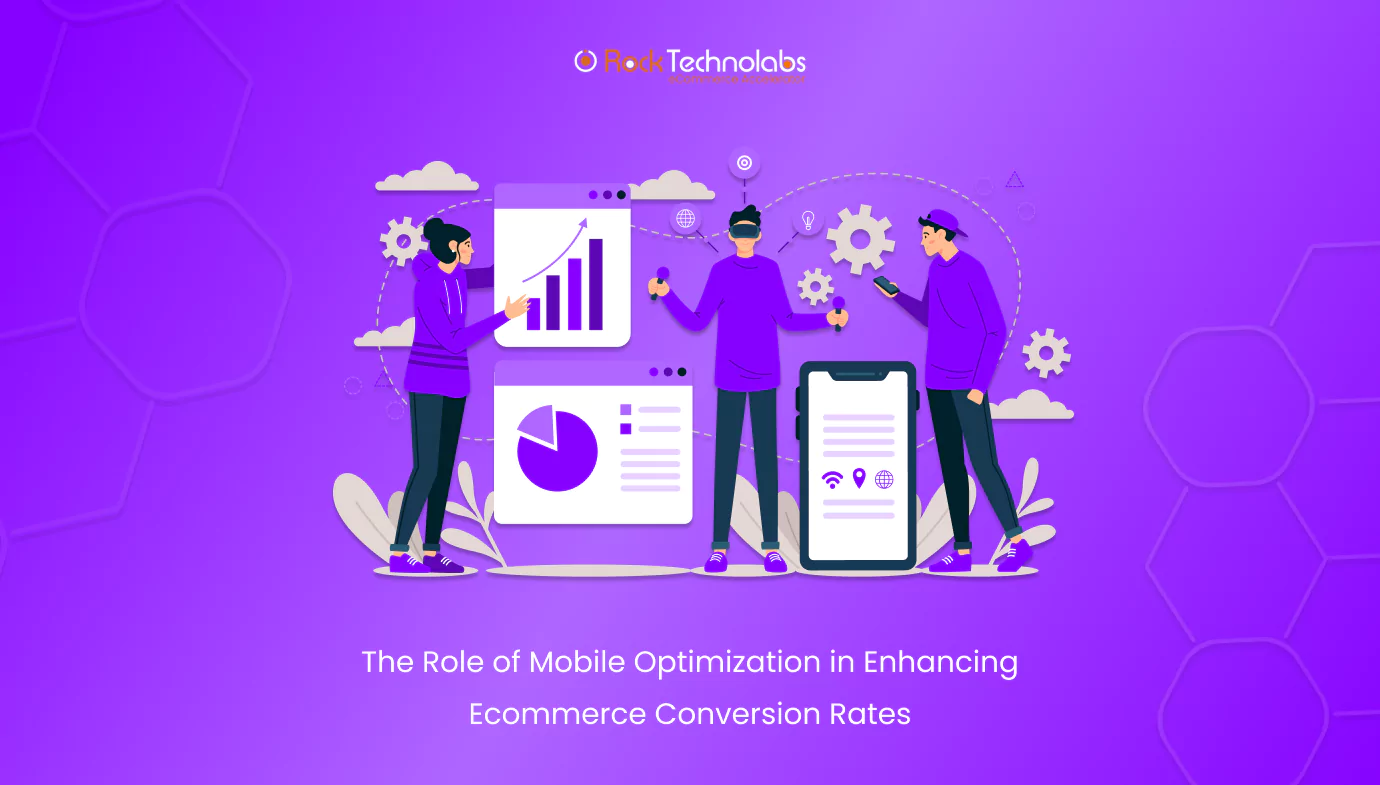
Mobile now drives 78% of ecommerce traffic, yet mobile conversion rates lag at just 1.8% versus desktop's 3.9%. Generic AI descriptions look fine on your laptop—then completely fall apart on a phone screen. Long paragraphs turn into walls of text. Key benefits get buried. Your CTA button? Lost in the scroll.
The Generic Description Trap
Here's the thing: AI-generated product descriptions can boost conversions by 23.7%—but only when done right. Most store owners just hit "generate" and paste. The result? Cookie-cutter descriptions that sound like everyone else's. Products with 11-30 reviews convert 68% higher, yet AI content often buries social proof at the bottom where nobody sees it.
The Quality Control Gap
SEO Writer handles the heavy lifting—smart keyword research, content generation, auto-publishing—but even the best AI needs human oversight. The winners? They test different approaches. They track which descriptions drive add-to-carts. They A/B test headlines and benefit statements. The losers assume AI works perfectly on the first try.
Quick fix: Use AI to scale, but always align content with actual conversion goals. Place reviews prominently. Test mobile layouts obsessively. And for the love of your conversion rate—stop treating AI output as your final draft.
Sources:
- Ecommerce Conversion Rate by Industry: 2025 Benchmarks
- Mobile Ecommerce Trends For 2025
- Do AI-Generated Product Descriptions Convert Better Than Humans?
- 50+ E-commerce Conversion Rate Statistics for 2025
- SEO Writer AI
Real Results: Content-Driven Conversion Improvements
Let's talk numbers. According to Shopify CRO Statistics, the average ecommerce conversion rate hovers between 2.5% and 3%—but stores implementing strategic content optimization consistently break past these benchmarks. ConversionFlow's client portfolio shows what's actually possible: RTIC Outdoors added $1M+ in annual revenue through product page content refinements, while Lifepro Fitness achieved a 14% conversion boost worth $1.35M simply by improving copy clarity and site speed.
The standout success story? A national home improvement retailer using AI-powered content automated their entire product copywriting and attribute generation process. The result: faster onboarding, higher conversion rates, and SEO improvements across thousands of SKUs. This is where SEO Writer becomes your competitive advantage—it handles the exact content bottlenecks that hold stores back from scaling.
Here's what actually moves the needle: Product pages with benefit-driven, scannable copy convert at measurably higher rates than generic descriptions. One test from CXL Institute showed a 17.1% revenue-per-user increase by restructuring category pages. FAQ pages that address common objections reduce support tickets and cart abandonment—Robtronicmedia data shows they can cut abandonment by 20%. Blog content that targets buying-intent keywords (not just informational ones) drives qualified traffic that's already primed to purchase.
The pattern is clear: stores that automate SEO content creation while maintaining quality consistently outperform those manually producing content. Top performers in Blend Commerce's 2025 benchmarks hit 3.2%+ conversion rates—they're using AI to scale what works, not replace strategic thinking.
Beyond Content: Complementary CRO Tactics That Amplify Results
Here's what most guides won't tell you: even the best product descriptions won't save a checkout process that takes seven seconds to load. According to Elementor's 2025 ecommerce data, a single second delay in mobile load time kills conversions by up to 20%. That's real money evaporating while customers wait.
Think of quality content as the first domino in your conversion chain—but you need the entire sequence to fall. When your SEO Writer-generated product descriptions hook a visitor, site speed keeps them engaged, streamlined checkout removes friction, and cart abandonment emails bring them back if they hesitate. Research from Envive AI shows products with 11-30 reviews convert 68% higher—but those reviews only matter if your page loads fast enough for customers to read them.
The real magic happens when these elements work together. Let's say a customer lands on your perfectly optimized product page, adds an item to cart, but bounces at checkout. Your abandoned cart sequence kicks in, sending a personalized recovery email within an hour that addresses their specific hesitation—maybe free shipping or customer reviews that resolve their objection. Blend Commerce notes that speed optimization alone yields measurable conversion gains in 2025, but combine it with strategic content and you're looking at compound improvements.
Smart Shopify stores build this ecosystem intentionally. While SEO Writer handles your content optimization at scale, dedicate resources to technical performance, checkout friction testing, and behavioral triggers. The average ecommerce conversion rate sits at 2.5-3% globally, but top performers hit 4.7% by orchestrating every touchpoint—not just nailing one.
How to Use SEO Writer AI to Improve Shopify Store Conversion Rates in 2025
Here's the uncomfortable truth: your Shopify store probably converts at 1.4%—meaning 98.6% of your visitors leave without buying. Meanwhile, top performers are hitting 4.7% conversion rates with the exact same traffic sources you're using. The difference? They've cracked the code on content quality, search intent alignment, and conversion-focused optimization. In this guide, you'll discover how AI-powered content tools like SEO Writer are helping store owners triple their conversion rates by targeting high-intent keywords, creating content that actually answers buyer questions, and eliminating the friction that sends shoppers running to competitors. We'll walk through the exact implementation process, common mistakes that tank conversions, and real results from stores that transformed their bottom line—not through more traffic, but through smarter content strategy.