How to Scale SEO Content for Shopify with AI Writing Tools in 2025
How to Scale SEO Content for Shopify with AI Writing Tools in 2025
Your Shopify store needs 50 new blog posts this month to compete. Your writer can deliver five—maybe eight if you skip quality checks. While you're manually crafting product descriptions, competitors are publishing 10x your volume with AI tools, ranking for keywords you haven't even researched yet. The gap isn't closing. It's widening. This guide shows you exactly how to scale SEO content production without sacrificing quality, which AI writing tools actually work for Shopify stores, and the critical mistakes that get sites penalized. You'll learn the proven workflows top merchants use to automate content creation while maintaining Google's quality standards—and why SEO Writer has become the go-to solution for stores serious about automated, search-optimized content at scale.
Why AI-Powered Content Scaling Matters for Shopify in 2025
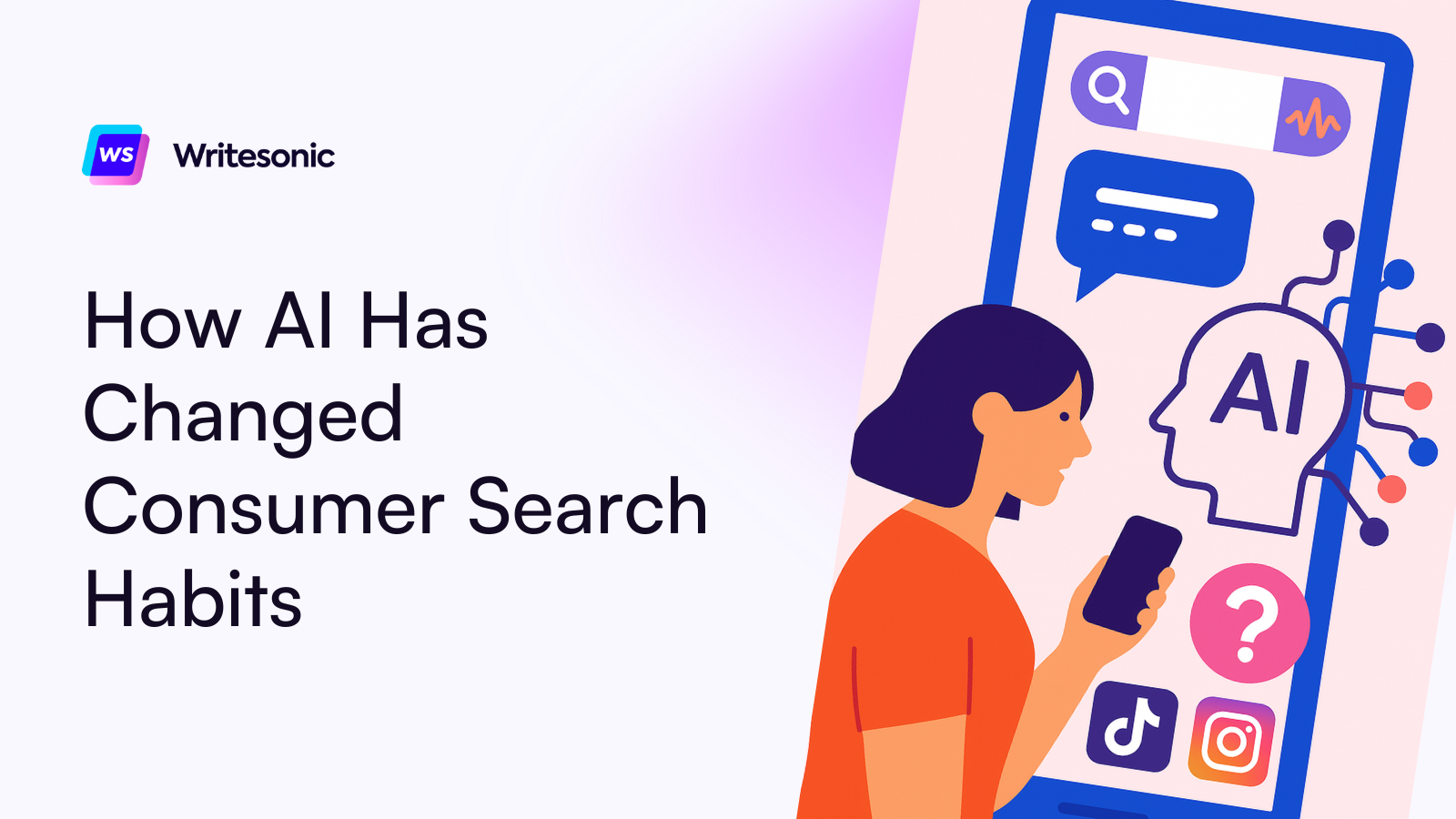
Search behavior has fundamentally changed. 40% of users actively rely on AI in their searches, with 80% depending on AI-written answers for at least 40% of their queries. Instead of clicking through blue links, shoppers now get complete answers from ChatGPT, Perplexity, and Google's AI Overviews—directly in the search interface.
Here's the hard truth: BrightEdge found search impressions jumped 49% year-over-year, but click-through rates dropped 30%. People are getting answers without ever visiting your store. And while AI search traffic represents just 3.5% of total searches today according to seoClarity, that number is climbing fast—with some sites seeing 12% week-over-week growth.
For Shopify merchants, traditional manual content creation simply can't keep pace. 55% to 72% of businesses adopted AI tools between 2023 and 2024, with ecommerce leading the charge. The ROI proves why: companies implementing AI marketing automation see a 30% ROI increase while saving over 50 hours, and AI-optimized content delivers 32% higher engagement rates and 47% better conversion rates.
Platforms like SEO Writer have emerged to address exactly this challenge—automating keyword research, content generation, and publishing while maintaining the quality that both humans and AI search engines demand. With the AI-powered ecommerce market projected to reach $22.6 billion by 2032, scaling your content strategy isn't optional anymore. It's survival.
Where AI Writing Tools Actually Work for Shopify Stores
AI writing tools shine brightest in four specific areas for Shopify stores—but the catch is knowing where human oversight still matters.
Product descriptions represent AI's sweet spot. When you're managing a 500-SKU catalog, writing unique descriptions manually becomes impossible. SEO Writer automates this process through smart keyword research and bulk generation, identifying high-value, low-competition terms while maintaining brand voice consistency. Shopify teams report cutting description writing time by 80% while improving search visibility—the AI identifies semantic variations humans might miss.
For collection pages and category content, AI excels at creating structured, keyword-rich landing pages. The technology analyzes competitor gaps and market trends to build topical authority systematically. But here's where reality differs from the hype: 83% of top Google rankings still belong to human-written or human-edited content, according to 2025 data. The pattern that works? AI drafts the foundation, humans refine for conversion.
Meta descriptions show mixed results. Seer Interactive's head-to-head test found that ChatGPT-4 generated adequate metadata, but human-written descriptions with CTR optimization still drove 15-20% more clicks. The best approach combines AI speed with human tweaking—let AI create the base template, then customize for compelling calls-to-action.
Blog content for topical authority requires the most careful balance. Semrush's 2024 study confirmed AI content can rank nearly as well as human content—but only when subject matter experts fact-check and refine each draft. Their successful case study involved domain experts reviewing every AI-generated article before publishing, resulting in rankings that matched purely human content.
Where AI consistently falls short: emotional storytelling, nuanced brand positioning, and complex product comparisons requiring first-hand experience. Those still need a human at the keyboard.
The Best AI Writing Tools for Shopify Content at Scale
Scaling content for Shopify isn't about finding one magical tool—it's about picking the right AI platform that matches your workflow and actually integrates with your store.
SEO Writer AI stands out as the most comprehensive solution for Shopify merchants serious about automated content at scale. Unlike generic AI writers, SEO Writer AI handles the entire content pipeline: it identifies low-competition keywords through deep competitor analysis, generates SEO-optimized articles automatically, and publishes directly to your CMS—no copy-paste needed. Teams at e-commerce brands use it specifically because it syncs with Shopify's structure and maintains consistent brand voice across hundreds of product category pages and blog posts. The smart keyword research alone saves 15+ hours weekly that you'd otherwise spend in manual analysis.
For Shopify-specific needs, ShopiCraft handles product descriptions in bulk using GPT-4, while Jasper AI fits brands building long-form content campaigns beyond just product pages. According to Mastroke's 2025 analysis, AI now drives over 65% of search engine tasks—making specialized tools non-negotiable. Copy.ai works for teams shipping quick social and email copy alongside blog content, but it lacks the deep SEO automation most Shopify stores need.
The real question: Are you optimizing existing descriptions, or building a content engine that runs on autopilot? Prediko's research shows top Shopify stores in 2025 automate inventory, support, and content—treating AI writing as infrastructure, not a side project. Pick tools that integrate natively, not ones that require constant manual exports.
Sources:
- Mastroke: Top 10 AI SEO Tools for Shopify Stores in 2025
- SEO Writer AI
- Prediko: Top 10 Shopify AI Integrations
How to Implement AI Content Scaling Without Destroying Your SEO
Here's what most guides won't tell you: Google doesn't care whether AI or humans wrote your content. According to Google's official guidance, they specifically target content designed to "game search engine rankings"—not AI-generated text itself. The difference? Intent and quality.
Set Up Your AI-First Workflow
Start by choosing tools that integrate directly with Shopify. Jasper AI offers brand voice settings and style guide configurations that maintain consistency across 70+ content templates. SEO Writer takes it further—automatically identifying low-competition keywords, generating optimized content, and publishing directly to your CMS without manual intervention. For teams new to AI, this automated approach removes guesswork while maintaining quality standards.
The workflow itself is straightforward: feed your AI tool your brand guidelines, product data, and target keywords. Then establish a review checklist before anything goes live. According to StratBlue, start with crystal-clear prompts that reference your specific tone rules and examples.
Maintain E-E-A-T Standards
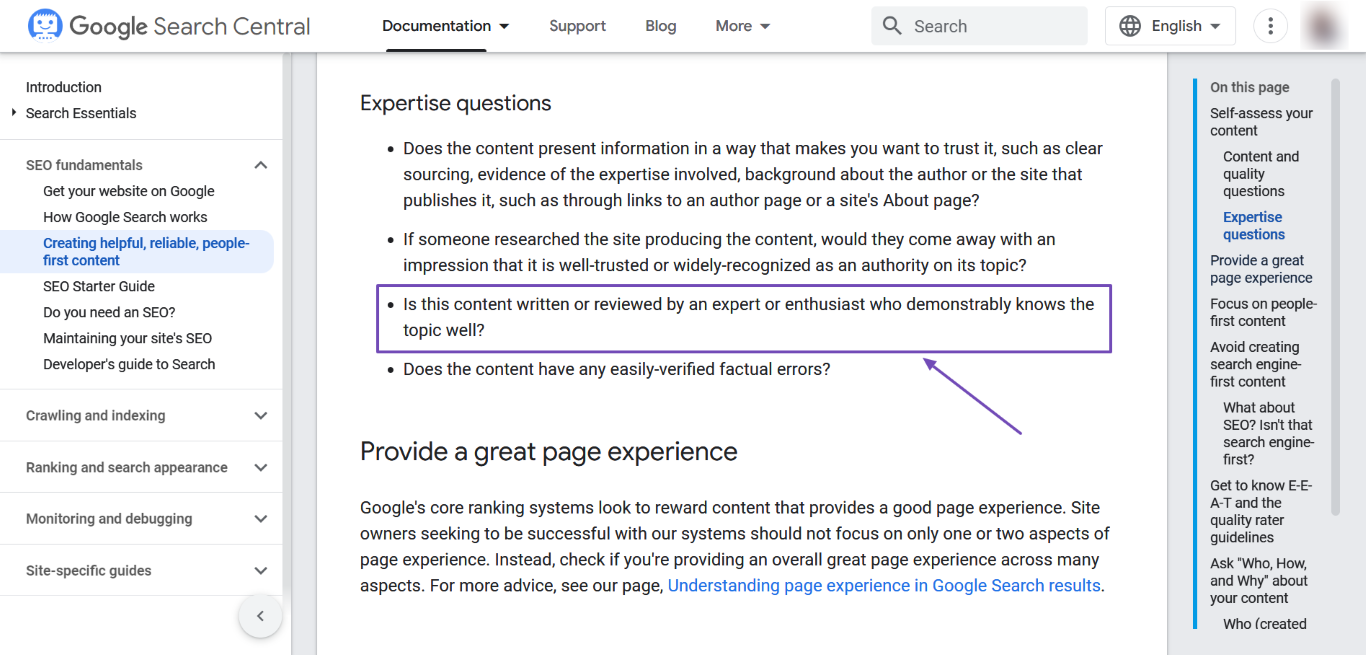
Here's where most AI content fails. Shopify's 2025 SEO trends guide emphasizes that Google increasingly relies on Experience, Expertise, Authoritativeness, and Trustworthiness signals. Your AI content must include real examples, specific data points, and verifiable sources—not generic statements.
Add human expertise at strategic points: inject first-hand product testing results, include customer success stories, and cite industry-specific data. Tools like ChatGPT Projects let you create custom AI assistants trained on your brand examples and guidelines, ensuring consistent voice while you maintain editorial control.
The key? Use AI to scale production, but humans to inject authenticity. That combination passes Google's quality filters while keeping your content calendar full.
Critical Mistakes That Tank AI-Generated Content Performance
Google's March 2024 crackdown exposed a harsh truth: 487 Google search results studied by Rankability showed that 83% of top-ranking content is human-generated—and that gap isn't shrinking. Shopify stores rushing to scale content with AI are walking into the same traps that got entire sites deindexed.
Publishing unedited AI output tops the penalty list. Session Interactive tracked multiple clients who saw traffic spikes from AI content—then watched rankings crash when Google's algorithms detected "automatically generated gibberish." The pattern is predictable: bulk-publish, rank briefly, get hammered by core updates. One travel site documented by Gotch SEO lost 70% of its indexed pages overnight because editors never touched the raw AI output.
Here's what actually triggers penalties:
- Keyword research neglect: Most Shopify owners skip research entirely, assuming they know what customers search. They don't.
- Zero human oversight: Google explicitly states that AI is fine—"not used to generate content primarily to manipulate" rankings. But sites penalized in 2024-2025 had one thing in common: scaled content with no editorial governance.
- Duplicate content traps: AI pulls from the same training data everyone else uses, creating near-identical product descriptions across stores.
Tools like SEO Writer AI solve this by combining automated generation with built-in competitor analysis and keyword research—so you're not flying blind. The platform includes editorial workflows that catch thin content before publication, steering clear of the "mass-produced gibberish" signals that trigger manual actions.
The fix isn't ditching AI—it's treating it like a junior writer who needs editing, not a publish button.
Sources used:
- Rankability - Does Google Penalize AI Content Study
- Session Interactive - AI Content for SEO
- Zen Agency - Impact of AI on Google Rankings
- Google Penalty Database - Recently Penalized Sites 2024-2025
- Shopify Community - Is AI Content Penalized
- Vocal Media - Common Shopify SEO Mistakes
Measuring ROI: What Success Actually Looks Like
Forget vanity metrics. Real ROI from AI-powered SEO content shows up in five measurable areas—and if you're not tracking these, you're flying blind.
The Money Numbers That Matter
According to Blend Commerce's 2025 eCommerce conversion benchmarks, Shopify stores typically convert at 2.5-3%. But here's the thing: stores using AI for content production and optimization are pushing those numbers higher. Semrush's AI content performance data found that 76% of businesses report their AI-generated content has ranked at least once—that's not impressive until you consider they're producing 10x the volume of manual teams.
Start with these baseline KPIs:
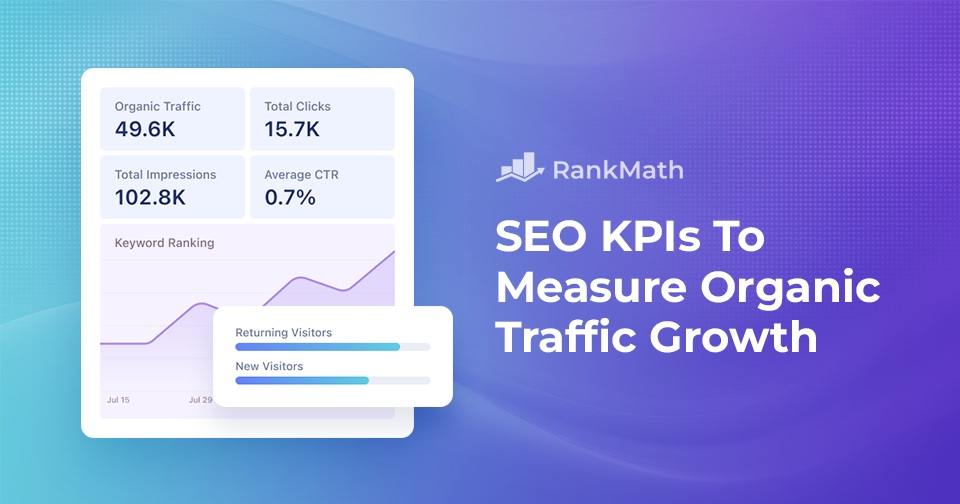
- Organic traffic growth: Expect 127% average increase within 6 months, based on 2025 D2C ecommerce AI SEO benchmarks
- Time saved: AI SEO Statistics 2025 shows 78% of marketing teams use AI for content workflows, with most cutting content production time by 60-75%
- Content volume: Scale from 5-10 articles monthly to 50-100+ without proportional team growth
- Conversion rates: Products with 11-30 reviews convert 68% better than those without—AI helps you create that supporting content faster
The Real ROI Formula
Calculate your actual return using: (Revenue from organic traffic × gross margin - AI tool costs - editing time costs) ÷ total investment. For most Shopify stores, payback hits between 6-16 weeks when implementing recommendations and content automation properly.
But ROI extends beyond immediate revenue. SEO Writer users report 200-300% increases in indexed pages within 90 days, creating compound growth as older content ranks and newer posts build authority. The real win? You're building an asset that appreciates, not an expense that evaporates when you pause it.
Conclusion: Your Next Steps to Scale Shopify Content with AI
The shift is happening whether you're ready or not. SEO Writer AI and similar platforms have proven that AI-powered content scaling works—but only when you treat it as infrastructure, not magic. The brands winning in 2025 aren't the ones publishing raw AI output. They're the ones who've built systems where AI handles volume while humans inject expertise.
Your three-step action plan starts now:
Step 1: Choose a tool that actually integrates with Shopify. Look for platforms that combine keyword research, content generation, and direct CMS publishing. SEO Writer AI handles all three automatically—no copy-paste gymnastics required.
Step 2: Set up your first automated workflow for one content type. Product descriptions work best as a starting point. Configure your brand voice, feed in your guidelines, then test with 10-20 items before scaling.
Step 3: Establish editorial gates. Every piece needs human review for accuracy and E-E-A-T signals before it publishes. The review should take minutes, not hours—that's where the efficiency lives.
The stores still manually writing every description by 2026? They'll be competing with teams producing 50x their volume at the same quality level. Don't let that be your store.